
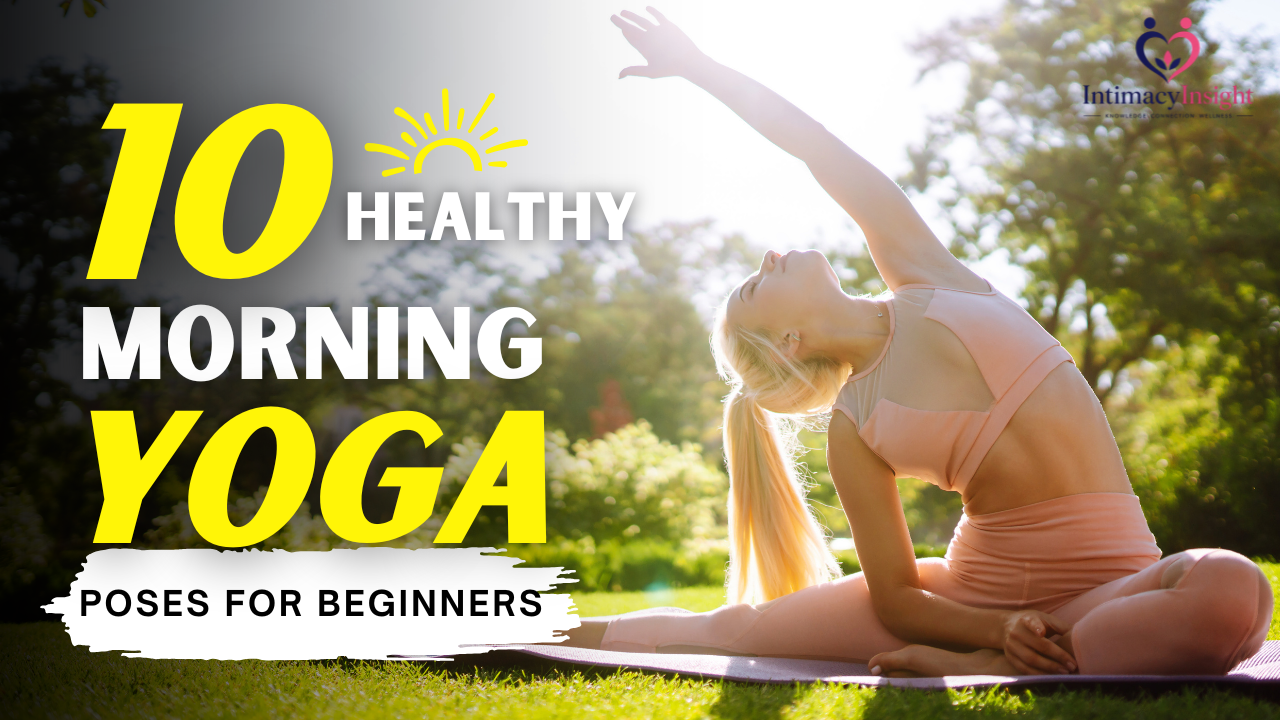
There’s something quietly powerful about starting your day on a mat instead of reaching straight for your phone. Before the emails start piling up and the to-do list takes over, a few minutes of mindful movement can set the tone for everything that follows — calmer thoughts, steadier energy, and a body that actually feels ready to move instead of stiff and resistant.
If you’ve never tried a morning practice before, the idea of “yoga” might conjure images of advanced backbends or hour-long studio sessions. But that’s not what this is about. This guide walks you through 10 healthy morning yoga poses for beginners — simple, accessible movements that take just a few minutes but deliver a noticeable difference in how your day unfolds.
Why Morning Is the Best Time for Yoga
There’s a reason so many long-term practitioners swear by their morning routine over any other time of day. When you move soon after waking, you’re working with your body’s natural rhythms rather than against them.
Your Body Is Naturally Warming Up
After hours of stillness during sleep, your joints and muscles are slightly stiff. A gentle morning practice helps ease this stiffness gradually, improving circulation and flexibility without the strain that comes from jumping into intense activity too quickly.
Cortisol Levels Are Naturally Higher at Wake-Up
Your body’s cortisol — the primary stress hormone — is naturally elevated in the morning to help you wake up and get moving. Controlled breathing and gentle movement help regulate this response, preventing the jittery, anxious energy that unmanaged cortisol can sometimes create.
Fewer Distractions, Better Consistency
Mornings tend to be quieter before the demands of the day take over. This makes it easier to actually stick to a short practice consistently, which matters far more for results than the length of any single session.
The Real Benefits of a Morning Yoga Routine
Understanding the “why” behind morning yoga benefits makes it much easier to stay motivated on the days you don’t feel like rolling out your mat.
Improved Energy Without Caffeine
Gentle movement increases blood flow and oxygen delivery throughout the body, creating a natural sense of alertness that doesn’t come with the crash associated with excessive caffeine intake.
Better Digestion Throughout the Day
Certain twists and forward folds stimulate the digestive organs, helping your system function more efficiently from the moment you eat your first meal.
Reduced Stress and Improved Focus
Deep, intentional breathing calms the nervous system, helping you approach the day’s challenges with a clearer, steadier mind rather than reacting from a place of stress.
A Gentle Entry Point Into Morning Yoga for Weight Loss
While yoga alone isn’t a replacement for a balanced diet and overall activity, a consistent practice supports morning yoga for weight loss goals in meaningful ways — it reduces stress-driven eating, improves body awareness, and builds the kind of muscle tone and metabolic activity that supports gradual, sustainable results over time.
10 Healthy Morning Yoga Poses for Beginners
Here are the ten poses that make up an ideal, beginner-friendly morning sequence. Each one is simple to learn, safe for most fitness levels, and offers a distinct benefit.
1. Child’s Pose (Balasana)
A gentle resting pose that stretches the lower back and hips while calming the nervous system. It’s often the first pose in a sequence because it eases you into movement without any strain.
Benefit: Relieves lower back tension and encourages slow, mindful breathing.
2. Cat-Cow Stretch (Marjaryasana-Bitilasana)
This flowing movement between an arched and rounded spine gently mobilizes the entire back, warming up the spine for the poses that follow.
Benefit: Improves spinal flexibility and relieves stiffness from sleep.
3. Downward-Facing Dog (Adho Mukha Svanasana)
One of the most recognizable yoga poses, this stretch lengthens the hamstrings, calves, and shoulders while building gentle strength in the arms.
Benefit: Improves circulation and stretches the entire posterior chain.
4. Mountain Pose (Tadasana)
A simple standing pose that might look basic, but it’s foundational for posture awareness and grounding the mind before moving into more dynamic postures.
Benefit: Builds body awareness and improves standing posture.
5. Sun Salutation A (Surya Namaskar)
A flowing sequence of poses linked with breath, Sun Salutations are often considered the heart of a morning practice. They gently warm the entire body while building light cardiovascular engagement.
Benefit: Boosts circulation, warms muscles, and energizes the body as a whole.
6. High Lunge (Utthita Ashwa Sanchalanasana)
This standing pose stretches the hip flexors — an area that tends to get especially tight from long hours of sitting — while building strength in the legs.
Benefit: Opens tight hips and builds lower-body strength.
7. Chair Pose (Utkatasana)
A simple but effective pose that engages the thighs, glutes, and core simultaneously, building heat and strength early in the practice.
Benefit: Strengthens the legs and core while improving balance.
8. Seated Forward Fold (Paschimottanasana)
This calming forward fold stretches the hamstrings and lower back while encouraging a slower, more introspective moment in the practice.
Benefit: Releases tension in the back and hamstrings, and promotes calm.
9. Supine Twist (Supta Matsyendrasana)
Performed lying down, this gentle twist massages the digestive organs and releases tension along the spine — an excellent way to support digestion before breakfast.
Benefit: Aids digestion and relieves tightness in the spine and hips.
10. Corpse Pose (Shavasana)
Often skipped by beginners eager to finish, this final resting pose allows the body and nervous system to absorb the benefits of the practice, transitioning you calmly into the rest of your day.
Benefit: Reduces stress and helps integrate the physical and mental benefits of the session.
A Simple Morning Yoga Routine for Beginners at Home
If you’re not sure how to combine these poses into an actual sequence, here’s a straightforward morning yoga routine for beginners at home that takes roughly 10 to 15 minutes:
- Start in Child’s Pose for one minute, focusing on slow breathing
- Move through Cat-Cow for eight to ten rounds
- Transition into Downward-Facing Dog, holding for thirty seconds
- Step into Sun Salutation A, repeating the flow two to three times
- Hold Mountain Pose for a few breaths to reset your posture
- Move into High Lunge and Chair Pose, holding each for a few breaths per side
- Sit down into a Seated Forward Fold for one minute
- Lie back for a Supine Twist on each side
- Finish in Shavasana for two to three minutes
This sequence works as a complete set of yoga poses to start your day, and it’s flexible enough to shorten or extend depending on how much time you have available.
Simple Yoga Stretches for Morning: A Quicker Alternative
On mornings when time is genuinely tight, you don’t need the full sequence to feel a benefit. A shorter set of simple yoga stretches for morning — such as Cat-Cow, a Standing Forward Fold, and a gentle Seated Twist — can still offer noticeable relief from stiffness and a boost in alertness within just a few minutes.
The key isn’t doing everything perfectly; it’s showing up consistently, even in a small way.
Common Mistakes Beginners Make With Morning Yoga
Avoiding a few common pitfalls can make your practice more effective and far more sustainable.
Skipping the Warm-Up
Jumping straight into deeper stretches without gentle warm-up movements like Cat-Cow increases the risk of strain, especially since muscles are naturally stiffer first thing in the morning.
Holding the Breath
Many beginners unconsciously hold their breath during challenging poses. Steady, continuous breathing is what makes yoga effective for stress reduction — without it, you lose much of the calming benefit.
Comparing Yourself to Advanced Practitioners
Flexibility comes with consistent practice, not instant effort. Comparing your first attempts to years-long practitioners online often leads to unnecessary frustration and early quitting.
Overdoing It on Day One
Enthusiasm is great, but attempting a long, intense routine on your very first day often leads to soreness that discourages you from continuing. Start small and build gradually.
How to Stay Consistent With Your Morning Practice
Building any new habit is more about structure than willpower. A few practical tips:
- Keep your yoga mat visible and ready the night before
- Start with just five to ten minutes rather than committing to a long session
- Pair yoga with an existing habit, like right after brushing your teeth
- Track your practice for a few weeks to build momentum
Consistency, more than intensity, is what transforms a short daily habit into lasting physical and mental benefits.
Final Thoughts
You don’t need an hour, a studio membership, or years of flexibility training to feel the benefits of a morning practice. These 10 healthy morning yoga poses for beginners are designed to be simple, accessible, and genuinely sustainable — a way to greet your day with a little more calm, a little more energy, and a body that feels cared for rather than rushed.
Whether your goal is stress relief, better digestion, or supporting a broader morning yoga for weight loss journey, the real transformation happens not in a single perfect session, but in showing up gently, morning after morning.
Frequently Asked Questions
Is morning yoga good for weight loss?
Yes, when combined with a balanced diet and overall activity, morning yoga supports weight management by reducing stress-driven eating, improving metabolism, and building lean muscle tone over consistent practice.
How many minutes of yoga a day is enough for beginners?
Ten to fifteen minutes a day is a great starting point for beginners. Even five minutes of gentle stretching is better than skipping entirely, and duration can be increased gradually as flexibility and stamina improve.
Can I do morning yoga on an empty stomach?
Yes, practicing yoga on an empty stomach is generally recommended, as it allows for more comfortable movement, especially during twists and forward folds that engage the digestive organs.
Do I need any equipment to start morning yoga at home?
No special equipment is required. A yoga mat and comfortable clothing are enough to get started, making it one of the most accessible morning yoga routines for beginners at home.